Cold Water Immersion for Recovery, Energy & Resilience
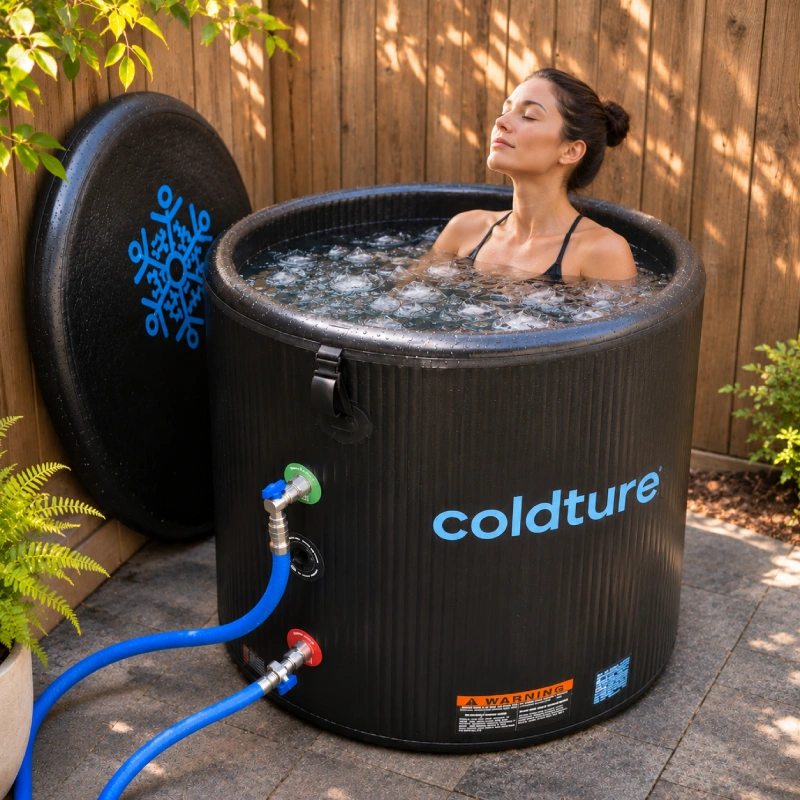
Cold plunging, also known as cold-water immersion, is a wellness practice that involves briefly immersing the body in cold water. It is increasingly used to support physical recovery, mental alertness, mood, and stress resilience.
Exposure to cold water activates the body’s natural stress response, including the sympathetic nervous system, and increases norepinephrine levels. This can help promote a feeling of alertness, focus, and energy.
Whether you’re looking to support post-workout recovery, refresh your mind, or challenge yourself in a controlled environment, cold plunging offers a refreshing way to incorporate recovery and wellness into your routine.
BENEFITS OF COLD PLUNGING
-
Improved Mood & Alertness
Cold exposure stimulates the nervous system and increases norepinephrine, which may help improve alertness, focus, and energy. -
Reduced Muscle Soreness
Cold-water immersion can help reduce delayed-onset muscle soreness (DOMS), particularly following intense exercise. -
Stress Resilience
Repeated, controlled exposure to cold may help you become more comfortable with physical discomfort and develop greater stress tolerance. -
Temporary Relief from Swelling & Soreness
Cold exposure causes blood vessels near the skin to constrict, which may temporarily help reduce swelling and soreness. -
Improved Sleep
Some people report better sleep following cold plunging as part of their wellness routine. -
Circulation Responses
Cold exposure causes blood vessels to constrict, followed by a rewarming response as the body returns to its normal temperature. -
Potential Metabolic Benefits
Cold exposure increases energy expenditure and may stimulate brown adipose tissue (brown fat), which plays a role in heat production.
HOW LONG SHOULD YOU COLD PLUNGE?
If you are new to cold plunging, start slowly and allow your body time to adapt.
For beginners, a conservative approach is:
-
Water Temperature: 10–15°C
-
Initial Duration: 30–60 seconds
-
Frequency: Start with 1–2 sessions per week
-
Progression: Gradually increase your exposure only as your body becomes comfortable with the experience.
Water temperatures below 10°C are not recommended for beginners.
For Experienced Participants :
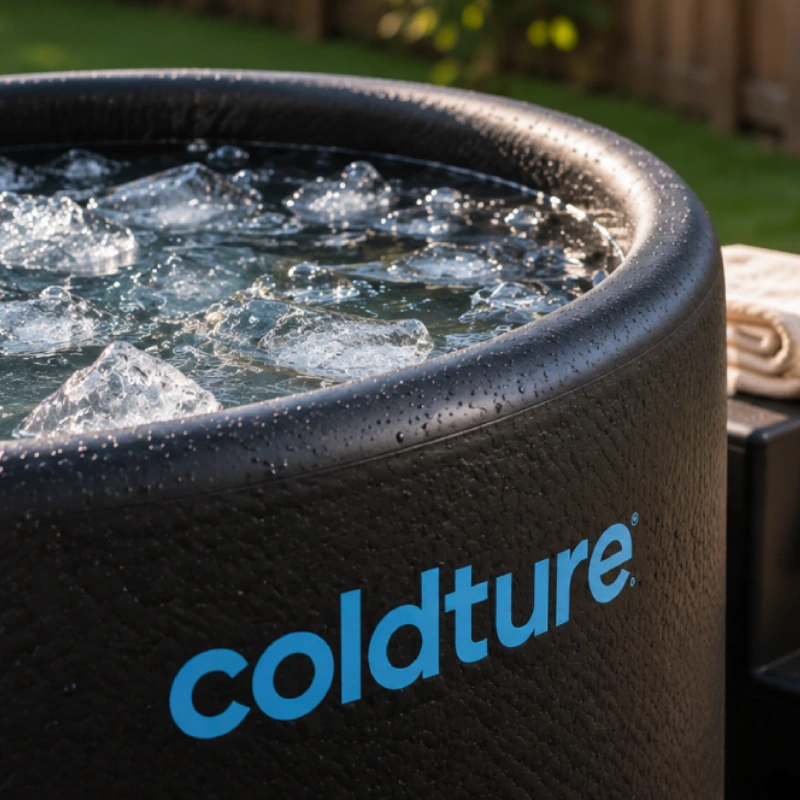
If you have completed several sessions and feel comfortable with cold exposure, you may gradually increase your time to 1–5 minutes, depending on your personal tolerance.
Everyone responds differently to cold exposure. Listen to your body and never push beyond your comfort level.
Frequently Asked Question :
How long should my first cold plunge session be?
For beginners, we recommend starting with 30–60 seconds at a water temperature of 10–15°C. You can gradually increase your duration as you become more comfortable with cold exposure.
How often should I do cold plunging?
Start with 1–2 sessions per week. You can gradually adjust the frequency depending on your experience, comfort level, and recovery needs.
Do I need previous cold-water immersion experience?
No. Beginners are welcome. We recommend starting with shorter exposure times and a comfortable temperature before gradually progressing.
What are the main benefits of cold plunging?
Cold plunging may support post-exercise recovery, reduce muscle soreness, improve alertness, and help build tolerance to physical stress. Individual experiences and results may vary.
Can I cold plunge after a workout?
Cold-water immersion may help reduce post-exercise muscle soreness. However, if building muscle is your primary goal, avoid immediately plunging after strength training on a regular basis, as it may reduce some muscle-growth adaptations.
Is cold plunging safe for everyone?
No. Cold exposure can place significant stress on the cardiovascular system. People with heart conditions, uncontrolled high blood pressure, thyroid issues, or circulation conditions should seek medical advice before participating.
What should I do after a cold plunge?
Exit the water if you experience any discomfort, dry yourself, and allow your body to gradually return to a comfortable temperature. Avoid rushing the rewarming process.
IMPORTANT PRECAUTIONS
Cold plunging can trigger gasping, rapid breathing, blood pressure spikes, and heart rhythm disturbances.
People with heart disease, uncontrolled high blood pressure, thyroid issues, and circulation conditions should seek medical advice first.
Never plunge alone, avoid putting your head underwater, and get out if you feel dizzy, numb, or unwell. Also, plunging immediately after strength training may
reduce some muscle-growth adaptions if done regularly.

Complete Package
6 months membership
INCLUDES:
- One Harmonic egg per month
- One Photon Genius Super Sauna per month
- One Bio Charger or Molecular Enhancer per month
- One HaloRedO₂ Therapy per month
$290 plus GST = $304.50 per month